Introduction to Industrial Refrigeration
Industrial refrigeration is a cornerstone of many industries, from food processing and pharmaceuticals to data centres. These systems are essential for controlling temperature and humidity, ensuring product quality and safety. With the growing demand for environmentally friendly solutions, CO₂ refrigeration systems have become increasingly popular in industrial applications. Utilising carbon dioxide as a natural refrigerant, these systems offer excellent heat transfer properties and a low global warming potential. By adopting CO₂ refrigeration, businesses can significantly reduce their carbon footprint and minimise their environmental impact, making it a sustainable choice for the future.

Co2 Refrigeration Systems
Find out how your business can signifcantly reduce your carbon footprint and minimise environmental impact with our best C02 refrigeration solutions.
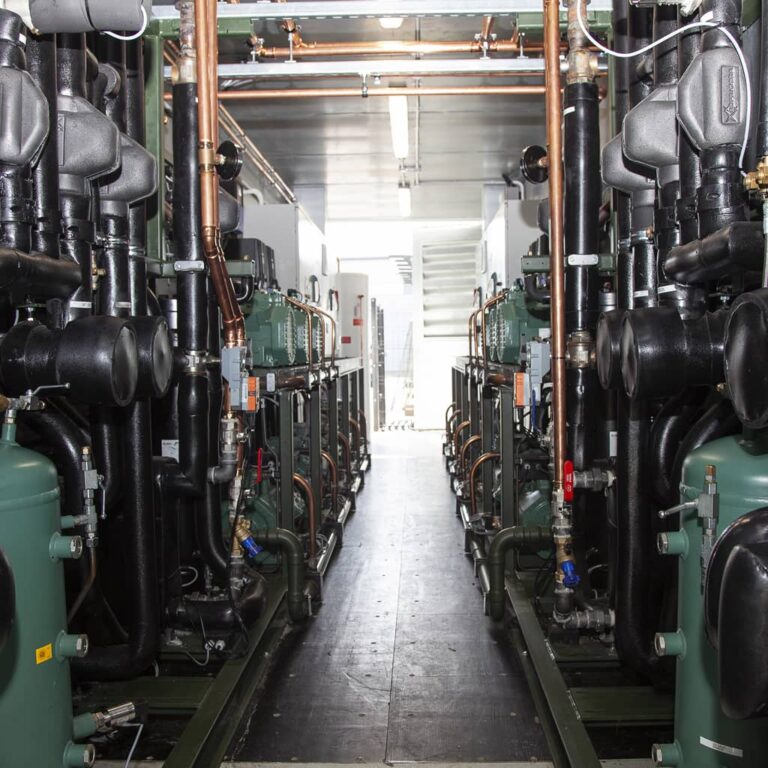
CO₂ Chiller Maintenance & Repairs
We provide comprehensive maintenance and repair services to ensure your CO₂ refrigeration systems continue to operate at peak efficiency. In the event of a fault, our team is available 365 days a year to deliver prompt and reliable repairs.
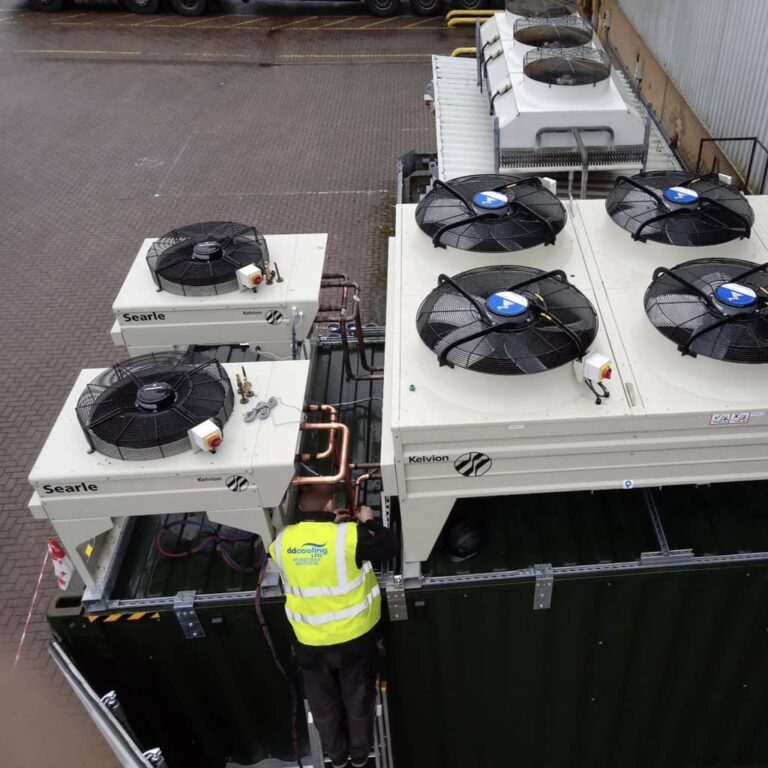
Sustainable CO₂ Refrigeration Solutions
Due to stricter F-Gas regulations across Europe, the cost of HFC refrigerants is rising significantly. As a result, CO2, a naturally occurring substance, is emerging as a reliable and sustainable alternative. CO2 systems offer numerous benefits, including being cost-effective, energy efficient, non-toxic, and non-flammable. They provide excellent refrigeration capabilities, cooling down to -50°C, and have significant environmental benefits, such as not harming the ozone layer and complying with the Montreal Protocol. These systems are designed to meet specific needs, making them a future-proof investment compared to traditional refrigerants.
We have a team of engineers who specialise in the design and installation of CO2 refrigeration systems tailored to suit a wide range of commercial and industrial needs. Our indoor and outdoor units are engineered to accommodate space, noise, and installation constraints, making them suitable for almost any application. CO2 can be used in most heating and cooling systems, helping businesses cut energy costs while reducing their environmental impact.
With extensive experience across hundreds of CO2 projects throughout Lancashire and the UK, we can deliver high-efficiency, low-carbon installations that support your journey to net zero.

Benefits of Energy Efficiency
Exceptional energy efficiency is a key advantage of CO₂ refrigeration systems.
- Designed to reduce energy consumption and lower operational costs.
- Utilises natural refrigerants like CO₂, avoiding synthetic options with high global warming potential.
- Can be integrated with heat recovery systems to reuse waste heat and boost efficiency.
- Supports sustainability goals by reducing both energy use and greenhouse gas emissions.
- Delivers significant cost savings while improving environmental performance.
- Ideal for industries looking to enhance energy efficiency and meet regulatory or sustainability targets.

Why choose DD Cooling?
Since 2007, DD Cooling has specialised in the design, installation, maintenance, and repair of CO₂ refrigeration systems for a wide range of industries across the UK .With an established reputation and client base across the North West, DD Cooling are the number one choice for all your CO2 refrigeration requirements. From small domestic projects through to large scale industrial and commercial installations, DD Cooling deliver full turn-key CO2 refrigeration packages.
With a qualified and dedicated team, we support you through the entire process from design and quotation of your CO₂ system to installation, maintenance and aftercare support. We strive to deliver projects with minimal disruption to your home or business and within the agreed timescales.
To find out how we can help your business, get in touch with a member of the DD Cooling team today on 01772 780806.

Refrigeration Solutions for High-Demand Industries
Cold storage and refrigeration solutions are essential for industries such as food processing, pharmaceuticals, and manufacturing. CO₂ systems offer a reliable and energy-efficient option for meeting these demands. They can be customised to specific temperature requirements, ensuring optimal performance and preserving product quality. With excellent heat transfer properties and a low global warming potential, CO₂ refrigeration is an environmentally friendly alternative to traditional systems. By adopting this technology, businesses can improve efficiency, reduce environmental impact, and lower operating costs.
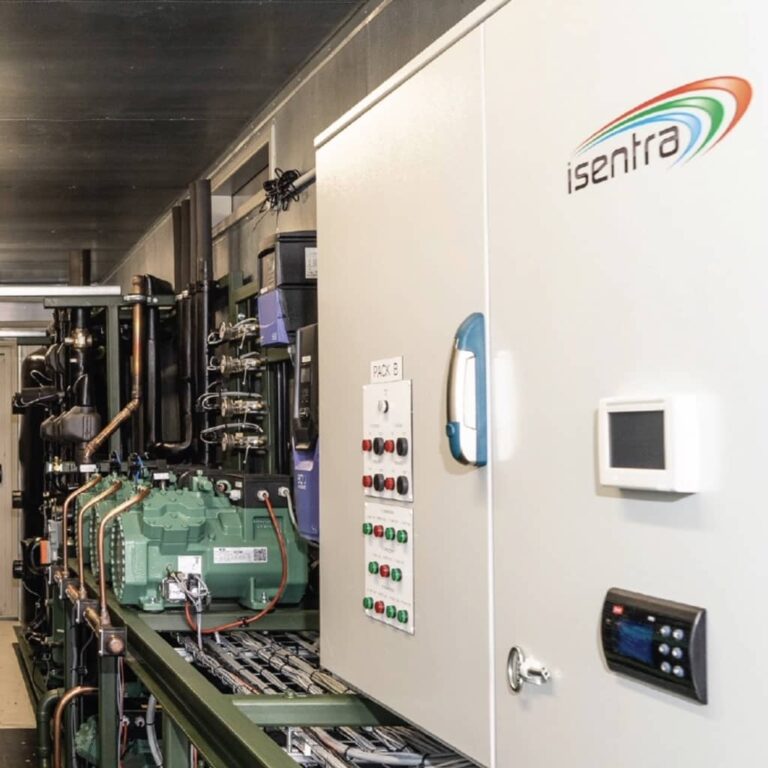
Who We Work With
We provide and install CO₂ refrigeration systems across the following industry sectors.
- Offices
- Retail Shops
- Entertainment Venues
- Gyms & Fitness centres
- Restaurants & Hotels
- Factories & Production Facilities
- IT Server Rooms
- Student Accommodation
Get A Free Quote
Looking to invest in a CO₂ refrigeration solution that offers efficiency, flexibility and comfort with DD Cooling? Our expert team is here to help you find the right cooling system for your business. Our sales advisors are available to provide additional information and support.
roudly serving businesses across Lancashire, Cumbria and the North West for all your CO₂ Installations needs.
Call us today on 01772 780806 or fill out our enquiry form to get a free quote.
CO₂ has several unique thermophysical properties:
- Very good heat transfer coefficient
- Relatively insensitive to pressure losses
- Very low viscosity
- In practical applications, the CO2 systems deliver very high performance, the main reasons being better heat exchange, very low pumping power when CO2 is used as a secondary fluid, and in cold climate the possibility of operating with a very low condensing pressure in the winter.

Download our CO2 cooling systems brochure
Download our CO2 FAQ's brochure
R744 is the chemical reference for Carbon Dioxide (CO2) used as a refrigerant. It is a naturally occurring substance that can be applied as a working fluid in different heating and cooling application, due to its excellent heat transfer properties and its high volumetric cooling capacity cooling capacity.
R744 is:
- Non-Toxic
- Non-Flammable
- Non-Ozone Depleting
- Environmentally friendly, with a Global Warming Potential (GWP) of 1.
Applying R744 in vapour compression applications significantly reduces the amount of Greenhouse Gas (GHG) emissions released into the atmosphere, which is at the origin of climate change. Besides, R744 systems, in many applications, have the potential to be more efficient than current systems in most climate conditions, and therefore indirect emissions of GHG resulting from energy consumption are also reduced.
No, R744 is not flammable and presents no risks in case of interaction with other substances or chemical blends. CO2 is applied in many fire extinguishers.
R744 is not toxic at moderate concentrations. Given the small system charge used for heating and cooling applications, R744 thus presents minimal health risks.
No, R744 does not contribute in any way to the depletion of the Ozone layer.
The very first refrigeration systems ever built used natural refrigerants such as Ammonia (NH3), Hydrocarbons (Has) and Carbon Dioxide (CO2). After the invention of CFCs in 1929, the industry all all but forgot these original gases but the Montreal Protocol in 1987 changed all of that, forcing the large chemical companies to invent the alternative Hydro Flurocarbon (HFC) gases.
CO2 is a naturally occurring gas. It’s in the air we breathe and our fizzy drinks, and it’s set to replace high polluting HFC synthetic refrigerants in mainstream cooling systems.
CO2 is low cost. CO2 is widely used in many different industries and in a vast number of applications. Its price has been low and stable for many years and it will remain a highly cost-effective refrigerant.
CO2 is a mainstream solution. The food retail industry effectively funded the development of the CO2 cooling technology to mitigate the impact of the F-Gas Regulation, and CO2 cooling systems are now tried and trusted by most UK supermarket chains. Now, CO2 is a mature and frequently used, large-scale refrigeration solution.
CO2 is safe. Unlike any other natural refrigerant, Carbon Dioxide is both non toxic and non flammable, making it a very safe refrigerant to operate and handle. CO2 has an ‘A1’ Safety rating and is not subject to the many onerous operator obligations that are in force with Ammonia refrigeration systems.
CO2 is a fantastic refrigerant. CO2 has excellent refrigeration properties and can provide cooling down to -50°C and up to +15°C, an impressive temperature range that can be delivered in high capacity and with great energy efficiency.
CO2 is freely available. CO2 is highly unlikely to be regulated against and is set to remain a mainstream refrigerant which is available for straight forward, unrestricted purchase.
Although HFC’s do not directly deplete the Ozone layer, they are powerful greenhouse gases. These gases are regulated by the 1997 Kyoto Protocol, and increasing pressure from subsequent regulations and emissions trading systems will force the industry to go back to the same roots that it started from.
However, this time engineering will be far better prepared to deal with the technical challenges of toxicity and flammability posed by these environmentally benign gases, and their public acceptance will inevitably grow as environmental awareness grows.
The original F-Gas Regulation was adopted in 2006 to manage and track the use of highly polluting synthetic fluorinated HFC gases. Further changes tot he F-Gas legislation were made in 2014, these amendments centre heavily around the aggressive phase down in the supply and use of HFC refrigerants.
The F-Gas Regulations are now being aggressively put into force throughout Europe and they are completely forcing a change in refrigeration choice. Carbon Dioxide is the natural choice over HFC refrigerants, such as R404A, R134A, R407 & R448. Carbon Dioxide is fantastic, natural refrigerant, despite the irony of it being frowned upon in the climate change debate. CO2/R744 is actually 3,821 times less polluting to the environment than the traditional mainstream synthetic HFC R404A.
HFC Phase Down is now – there’s already been a 79% reduction in HFC use.
Mandatory requirements are being policed now.
Costs are volatile and unpredictable.
HFC refrigerants will stop being freely available.
In new systems, HFC refrigerants will soon be illegal.
Service bans imposed for old HFC refrigerants.
End users must track their HFC usage.
Documented and frequent HFC leak checks.
The quantity of HFC’s that can be placed on the EU market will be cut in a series of steps. By 2030, only 20% of the quantity of HFC’s that were sold in 2015 will be available. The remaining 20% supply will be for specialist applications and not for main stream refrigeration use.
HFC refrigerants have suffered a cost rise in excess of 400% between 2016 and 2020 with these looking set to continue to rise as further quotas are imminent.
As one of the world’s largest polluters, synthetic HFC refrigerants are now subject to aggressive phase down legislation, limited availablity and higher costs which are forcing end users to choose alternative cooling solutions with a much lower Global Warming Potential (GWP) than HFC gases can provide. Continued capital investment in HFC refrigeration systems is not advisable.
CO2 falls into safety group A1 which means it is non-toxic and non-flammable. CO2 is the only natural refrigerant with an A1 safety rating. Ammonia is B2, i.e toxic and low flammability, whilst Hydrocarbons are A3, i.e none toxic but highly flammable. The pressures inside a CO2 system are higher than HFC systems, but after years of component development, these pressures are now the ‘new normal’ and perfectly safe.
R744 can be applied in most heating and cooling systems such as Mobile Air Conditioning (MAC) in vehicles and buses, vending machines, coolers, commercial cabinets for supermarkets, containers and climate control systems for residences. CO2 Technology (R744) has also shown to be extremely efficient in heating water.

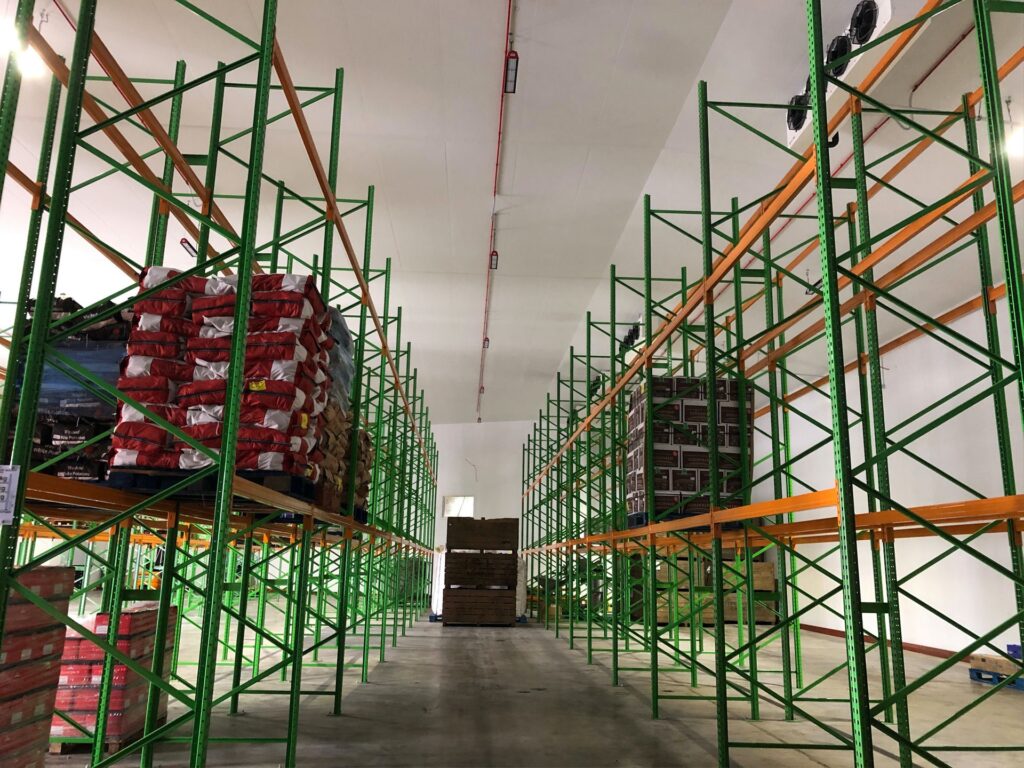
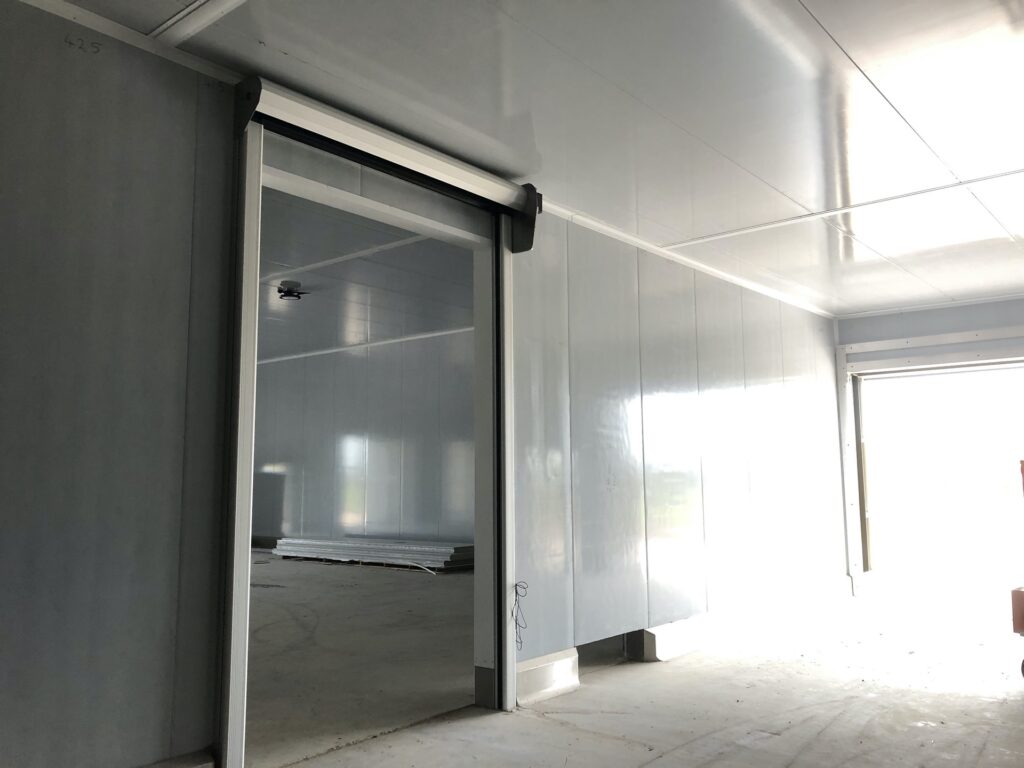
We buy fresh fruit and vegetables from farmers to supply the wholesale market and offer services to restaurants and schools by preparing the vegetables ahead of delivery. Therefore, efficient refrigeration is integral to our business model, and DD Cooling supports us with everything we need. They help us to save running costs year on year and provide an efficient service that we can rely on.

Our business supplies the catering industry and we operate a central factory which distributes to customers directly, as well as two of our own retail shops in Longridge and Clitheroe. We pride ourselves on the quality of the meat we provide for customers and the service from DD Cooling is an integral part of our business offering. They have also allowed us to generate maximum efficiency and cost savings with the cooling of our produce and have provided design, building and maintenance of bespoke cold stores right the way through to improving and maintaining dated refrigeration equipment.

We are a specialist salad crest grower and supply a range of grocers and supermarket operators. DD Cooling is 20 miles away but their personal service outweighs those we’ve experienced with other, closer suppliers. We know we get honest advice and have grown to know the teams which we love! DD Cooling has built specialist growing rooms for our delicate produce and maintains our on-site refrigeration.

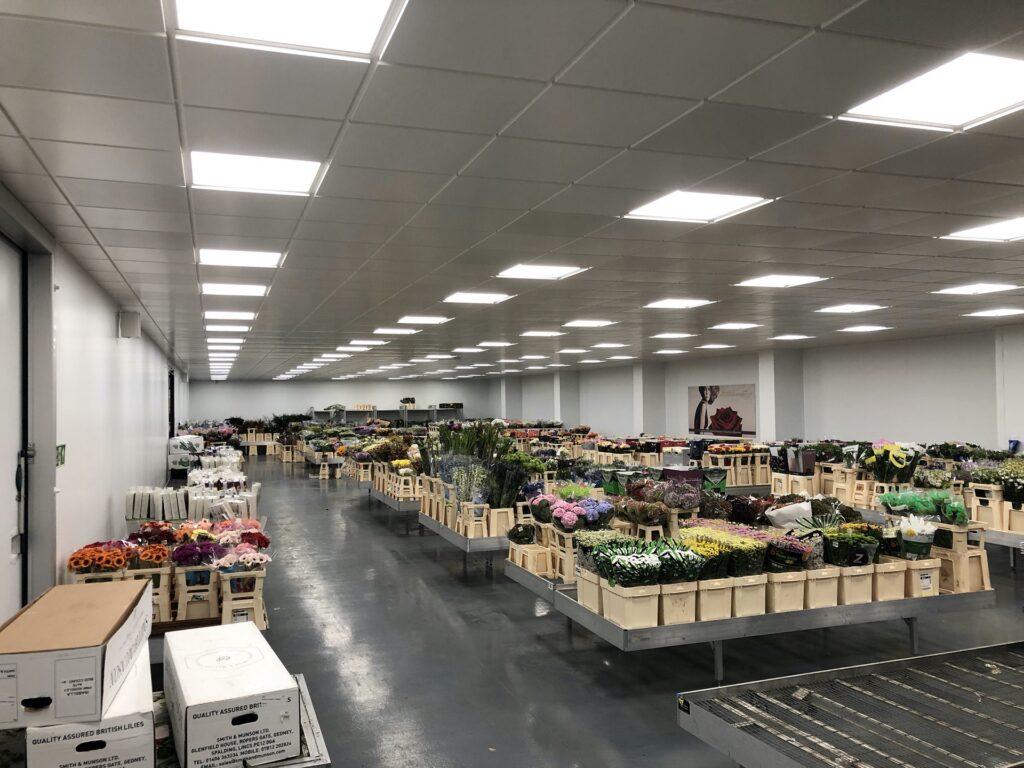
Here at the flower bowl, we have a state of the art co2 refrigeration system. This system is integral to our business, when there’s a fault with it many of the services we provide are unable to continue. Since the system was installed it has had various technical issues. After lots of back and forth, we decided to go out and see if another company would be able to help us diagnose and rectify these issues. Along came DD Cooling who came highly recommended. Over time they have been able to get the system operating fully and make it reliable, this hasn’t been an easy task. It has been time-consuming and I’m sure head-scratching at times. Now the system has been made reliable they continue to service and maintain the equipment to an excellent standard.





















What we’ve achieved